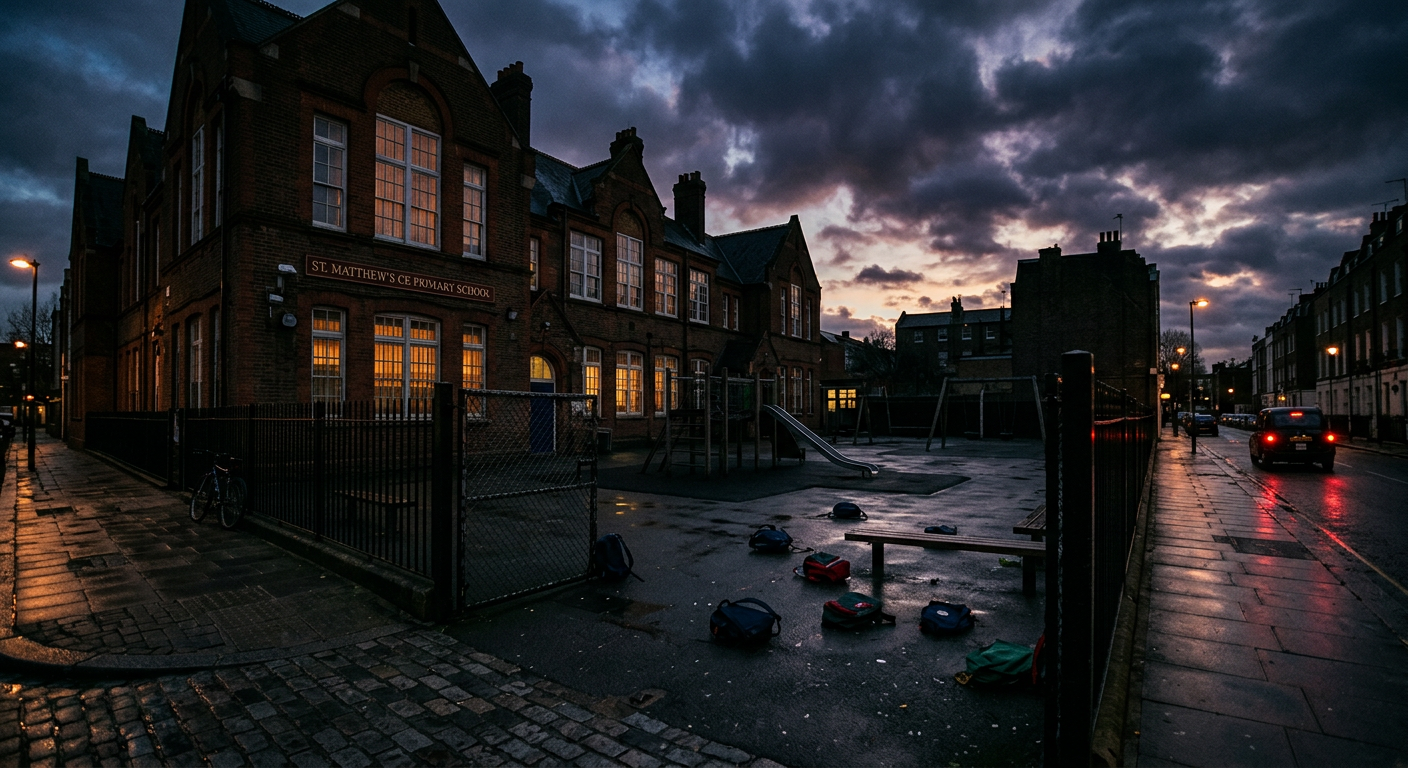
Two Arrested in London as 'Red vs Blue' School Wars Trend Turns Viral Hoax Into Real-World Panic
A viral TikTok and Snapchat trend urging UK schoolchildren to fight in color-coded teams led to two arrests in East London and police patrols outside 26 schools—despite evidence that much of the content, including AI-generated images, was fabricated.
A man in his 20s and a 15-year-old boy were arrested in Central East London on March 1 on suspicion of encouraging or assisting in a crime, following a viral social media trend that urged schoolchildren to engage in organized violence. The so-called 'Red vs Blue' school wars—which spread rapidly across TikTok and Snapchat in February—divided London schools into rival color-coded teams and awarded 'points' for filmed assaults, according to the Metropolitan Police.
Both suspects remain in police custody as of March 5. The arrests mark the first criminal charges tied to a trend that has gripped parents, educators, and law enforcement across the UK, even as authorities acknowledge that no large-scale fights have actually materialized.
The trend began circulating in early February with posts in Croydon and other London boroughs, the International Business Times reported. By late February, AI-generated graphics listing more than two dozen schools—including institutions in Hackney, Islington, Redbridge, and Croydon—had gone viral. Some posts advised students to bring 'your best weapons,' displaying images of scissors, rulers, compasses, metal combs, and even fireworks, according to the Daily Mirror.
One widely shared post referenced a 'North London war' and a 'Hackney war,' naming four schools and urging children to meet after lessons. The Metropolitan Police issued its first public warning on February 23, and by early March had deployed Section 35 disposal orders—allowing officers to remove individuals from designated areas to prevent crime or disorder—around school gates and transport hubs.
Yet the panic appears to have been driven largely by fabricated content. Early viral posts featured two men in red and blue balaclavas, now believed to be AI-generated, the Mirror reported. Despite the alarming rhetoric, police confirmed that 'large organized fights have not been confirmed,' and most of the threatened clashes never occurred.
Still, isolated incidents fueled parental anxiety. In Bristol, a video circulated online appearing to show a teenage girl attacked inside a shop by a group of youths. Local reports linked the assault to the 'Red vs Blue' trend, though authorities have not confirmed the connection, according to the International Business Times. Minor scuffles were also reported in parts of South London during the week, prompting schools in affected areas to cancel after-school detentions and advise students to go directly home.
The trend's rapid spread reflects the volatile intersection of social media virality and real-world consequence. Labour MP Seema Malhotra called the circulating graphics 'horrific' and urged social media companies to take stronger action against posts encouraging violence among children. The Metropolitan Police said in a statement that 'a strong police presence remains around schools, particularly at the end of the school day,' and that officers are working with local authorities, school leaders, and parents to protect young people.
The timing is particularly sensitive. Data from the Office for National Statistics showed youth knife-related offences increased in 2025, adding to pressure on schools and local authorities already grappling with rising youth violence. The 'Red vs Blue' trend is the latest in a series of viral challenges that have encouraged thefts, assaults, and other dangerous behavior among teenagers—often framed as games or dares.
What makes this episode especially troubling is the speed with which fear spread, despite the flimsiness of the underlying threat. Parents in some areas were advised to collect their children directly from school gates as a precaution, and schools increased supervision around dismissal times. The panic was real, even if the organized violence was not.
The arrests signal that authorities are taking the trend seriously, even in the absence of confirmed large-scale clashes. Under UK law, encouraging or assisting in a crime is itself an offense, and the Metropolitan Police appear determined to send a message that viral incitement will not be tolerated. The question now is whether social media platforms will do the same—or whether the next viral trend will once again blur the line between online fiction and offline fear.