Commercial Real Estate Stumbles as Missoula Vacancies Hit 14%, West Sacramento Apartment Plan Stalls
The commercial real estate market is sending mixed signals as industrial vacancies surge in Montana, a planned 455-unit apartment complex in West Sacramento hits the market undeveloped, and property taxes spike 50% for some owners—revealing an industry caught between post-pandemic stabilization and mounting financial pressures.
The commercial real estate market is lurching through 2026 with all the grace of a three-legged horse. In Missoula, Montana, industrial vacancies jumped 9.33 percentage points to hit 14.4% by the end of 2025, according to Sterling Commercial Real Estate's annual Market Watch report. Meanwhile, 8.16 acres of bare land in West Sacramento—originally planned for a 455-unit apartment development—is now back on the market through Turton Commercial, according to the Sacramento Business Journal. The project's collapse is a quiet but telling symptom of a broader malaise: developers can't make the numbers work.
"If you're not in a boom-bust cycle, it's stable," Matt Mellot, managing principal at Sterling Commercial Real Estate, told KPAX News. "It's just not as... new things coming to the market are slower to get here because it's hard to make the numbers come to life." That's real estate broker speak for: the math is broken.
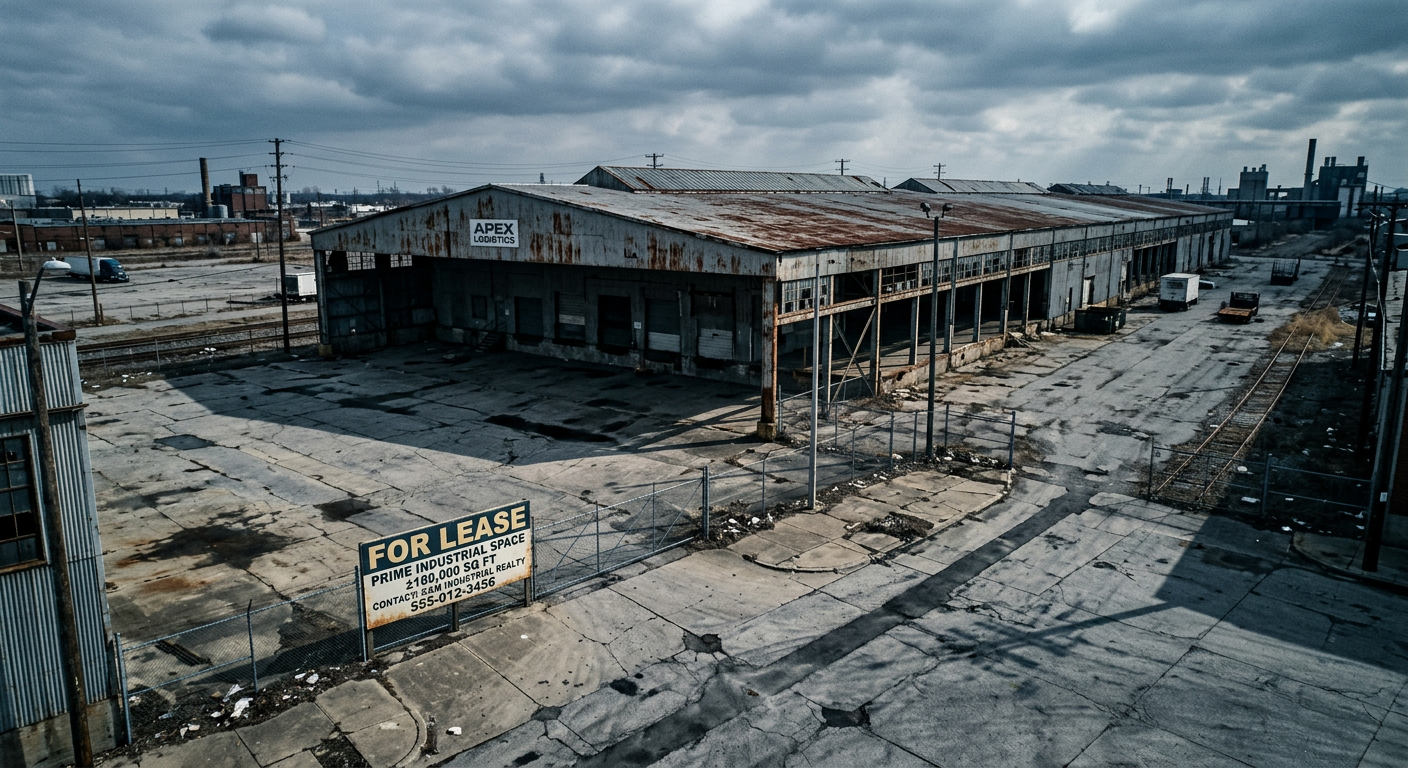
The Missoula data paints a market in awkward transition. Office vacancy barely budged at 7.66%, and rent per square foot crept up 3% to $19.32. But the average office space sold shrank 46% to just 3,800 square feet—a sign that big corporate tenants aren't biting. Retail fared worse: rents plunged nearly 20% to $19 per square foot, and sale prices dropped 17.5% to $295 per square foot. Industrial real estate took the hardest hit after companies like UFP in Milltown and Yellowstone vacated their spaces, leaving landlords scrambling to fill cavernous warehouses.
Multifamily properties tell a contradictory story. Average rents in Missoula jumped 10.5% to $1,530 per month—proof that housing demand remains fierce. Yet sale prices for apartment buildings cratered nearly 20% to $154,700 per unit. That disconnect suggests investors are spooked by something, and Mellot knows exactly what: financing costs. "When the debt is through the roof, the bottom line is it results in inflation," he said. "It's a main contributor to inflation happening and then inflation is killer. It hurts the personal working class... You're basically taxing them through devaluing their money."
He's not wrong. National debt service costs are bleeding into local markets through higher interest rates, making it punishingly expensive to borrow for new construction or acquisitions. The West Sacramento land listing is Exhibit A. Someone bought that acreage betting they could pencil out 455 apartments. They couldn't. Now it's someone else's problem.
Property taxes are adding fuel to the fire. Mellot says some of his clients saw their tax bills spike 50% recently—a brutal hit for landlords already squeezed by higher debt costs and tenant churn. "What I'm hoping for is that the state takes some initiative and shows some leadership in terms of trying to figure out how to address some of the constraints on our markets to be able to get the affordability piece worked out," he said, pointing to big-ticket infrastructure needs like wastewater, roads, and water systems that drive up development costs.
Commercial land sales in Missoula surged 300% in 2025, hitting 16 transactions, but the average lot size collapsed 76% to just 6.8 acres. That's not a sign of strength—it's fragmentation. Buyers are nibbling at smaller parcels because they can't stomach the risk of large-scale projects. The average price per square foot settled at $6.38, but without the economies of scale that make big developments viable, those numbers don't translate into the kind of housing supply Missoula desperately needs.
Nationally, the picture is equally muddled. Commercial Observer reported a flurry of activity—Uber expanding by 86,000 square feet at 3 World Trade Center, Varda Space Industries inking a 205,000-square-foot lease in El Segundo—but these are exceptions, not the rule. Big tech and aerospace can still command capital. Everyone else is stuck in quicksand.
The irony is that the market has technically stabilized. Missoula's unemployment rate sits at a healthy 3.1%, with the average weekly wage at $1,160, according to Sterling's report. Total employment dipped less than 1% in 2025, with healthcare offsetting losses in manufacturing, hospitality, and professional services. On paper, this should be a Goldilocks scenario. But stabilization isn't the same as vitality. It's the economic equivalent of a patient in stable condition—alive, yes, but not exactly thriving.
The West Sacramento land listing is a microcosm of the problem. Developers are walking away from projects that would have been no-brainers five years ago because the capital stack doesn't work anymore. Higher interest rates, inflated construction costs, and skyrocketing property taxes have conspired to make new supply prohibitively expensive, even as demand for housing and commercial space remains robust.
Mellot's warning about national debt isn't hyperbole. When the federal government borrows trillions, it crowds out private investment and pushes up the cost of capital for everyone else. That's why Missoula's multifamily sale prices are down 20% even as rents are up 10%—investors are demanding higher yields to compensate for the risk of holding real estate in a high-rate environment.
As 2026 grinds on, the commercial real estate market faces a choice: adapt to a new reality of higher capital costs and tighter margins, or wait for a policy rescue that may never come. Mellot's phrase—"steady but cautious"—captures the mood perfectly. It's not a crash, but it's not a recovery either. It's a slugfest, and the next round is just beginning.